Navy Boot Camp Packing List: What to Bring and What to Leave at Home
The official Recruit Training Command list in plain English — required documents, permitted items, and everything that gets boxed up and sent home.
In this guide
Packing for boot camp is the opposite of packing for a trip. The goal is to arrive with as little as possible, because anything outside the approved list is either stored until graduation or sent home. This guide follows the official reporting guidance published by Recruit Training Command (RTC), Great Lakes.
Prefer to tick things off? Use the interactive boot camp checklist.
Documents every recruit must bring
These are non-negotiable. Keep them together in one folder and do not pack them in a bag you might be separated from.
- Social Security card
- Immunization records
- COVID-19 vaccination record card, if you were vaccinated
- Two forms of valid identification. At least one must have a photo, and the name must match on all of them. If it does not, bring legal name-change documentation.
Forms of ID that RTC lists as acceptable include a U.S. or foreign passport, driver’s license, military dependent’s ID card, voter’s registration card, Certificate of U.S. Citizenship and Certificate of Naturalization.
Bring these if they apply to you
- Marriage certificate
- Divorce decree
- Copies of dependents’ birth certificates
- Permanent resident card, for non-citizens
- Direct deposit information — your bank’s routing number and your account number
What you are allowed to bring
| Item | Notes |
|---|---|
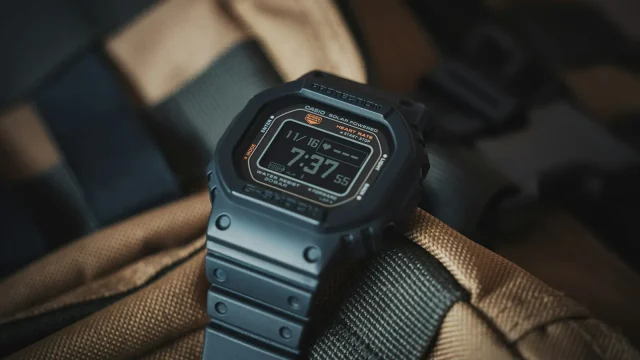
| Wristwatch | Keep it simple and inexpensive. |
| Wedding ring | — |
| Religious medallion | No larger than approximately 2 by 1 inches. |
| Pocket-sized religious text | — |
| Writing material and a small address book | Mail is your main contact with home. |
| Plastic hairbrush, pick or comb | Metal ones are prohibited. |
| Pre-paid phone cards | — |
| Glasses | One pair of prescription or reading glasses. |
| Cash | A small amount — the official guidance says less than $10. |
| Prescription medications | Tell your recruiter about them in advance; medical staff review them on arrival. |
Female recruits may also keep feminine sanitary items, barrettes that match their hair color, and conservative cosmetics — one each of face powder, blush, lipstick, eye shadow and mascara.
What not to bring
RTC’s prohibited list is long. The short version: if it is electronic, sharp, glass, aerosol, edible or tobacco, leave it behind.
- Portable game players, MP3 players and cameras
- Electric razors, hair dryers and curling irons
- Razors of any type, blades and knives
- Shaving cream, any aerosol container, after-shave and cologne
- Anything in a glass container, including mirrors
- Metal hairbrushes, picks or combs
- Food of any kind — gum, candy, chips
- All non-prescription drugs and medications
- Cigarettes, cigars, vapes and all other tobacco products
- Lighters and lighter fluid
- Playing cards, dice and gambling items
- Alcohol-based health and comfort items
- Additional civilian clothing
- Firearms, weapons, explosives, illegal drugs and paraphernalia
What happens to your phone
According to RTC, after recruits arrive all cell phones are boxed up with their personal belongings and stored locally, then returned the day before graduation. From that point the main way to communicate with a recruit is by mail, with a small number of scheduled phone calls during training. Memorise a mailing address or write it in your address book before you leave — you will not be able to look it up.
What to wear and how to arrive
- Wear weather-appropriate clothing; trousers or shorts and a T-shirt are encouraged.
- Wear closed-toe shoes and socks. No flip-flops or sandals.
- Arrive clean-shaven, with hair in a natural color and within Navy grooming standards.
- Nails must be clean and unpolished. Gel and acrylic nails are not authorized, and false eyelashes should be removed.
Before you leave home
Frequently asked questions
Do I need to buy anything for boot camp?
Very little. The Navy issues your uniforms and the gear you need during in-processing. Do not buy “boot camp kits” — most of the contents are not permitted.
How much money should I bring?
Recruit Training Command’s guidance is a small amount of cash, less than $10. You are paid by direct deposit during training.
Can I bring my own running shoes?
Follow your recruiter’s current instructions. Whatever you wear to arrive should be comfortable, closed-toe shoes with socks.
What if I bring something that is not allowed?
It is boxed up with your civilian belongings and either stored until graduation or sent home. Illegal items are a far more serious matter.
Sources
Facts last checked against these sources: October 2026.
- Recruit Training Command — Reporting: required items, what you can bring and what not to bring.
- Recruit Training Command — FAQ: contacting recruits and phone storage.
More like this
Keep reading

How to Join the Navy: Requirements and Steps Explained
From the first recruiter conversation to the day you ship: what the Navy looks at, the steps in order, and…
Navy Boot Camp: What to Expect, Week by Week
From the night of arrival to Pass-in-Review: how the roughly nine weeks at Recruit Training Command are structured and how…

Life on a Navy Ship: What Daily Life Underway Is Really Like
Berthing, watches, food, connectivity and downtime — an honest picture of shipboard life and how to make it easier on…